
Water is essential for life, and its importance in maintaining overall health cannot be overstated. Despite being the most basic and readily available resource, many people underestimate the powerful benefits of drinking sufficient water daily. From improving physical performance to boosting mental clarity, proper hydration plays a critical role in our well-being. Let’s explore the surprising health benefits of drinking more water and why it should be a cornerstone of your daily routine.
1. Enhances Physical Performance

When you’re physically active, your body loses water through sweat. If this water isn’t replenished, dehydration can set in, causing fatigue, reduced endurance, and impaired physical performance. Drinking water before, during, and after exercise helps maintain energy levels, regulate body temperature, and support muscle function.
Tip: For workouts lasting over an hour, consider adding electrolytes to your water to replace lost minerals like sodium and potassium.
2. Aids in Weight Management

Water is a natural appetite suppressant. Often, our brains mistake thirst for hunger, leading to unnecessary snacking and calorie consumption. Drinking water before meals can help you feel fuller, reducing the likelihood of overeating. Additionally, replacing sugary beverages with water can significantly cut down your calorie intake.
Tip: Keep a water bottle nearby and sip throughout the day to curb cravings.
3. Improves Digestion

Proper hydration is essential for a healthy digestive system. Water aids in breaking down food, allowing your body to absorb nutrients more effectively. It also prevents constipation by keeping your stool soft and supporting smooth bowel movements.
Tip: Start your morning with a glass of warm water to kickstart your digestive system.
4. Boosts Skin Health

Dehydration can make your skin appear dry, dull, and prone to wrinkles. Drinking enough water helps maintain skin elasticity, keeping it hydrated and radiant. While water alone won’t cure skin conditions like acne, it can reduce dryness and inflammation, promoting overall skin health.
Tip: Combine hydration with a good skincare routine for optimal results.
5. Supports Kidney Function
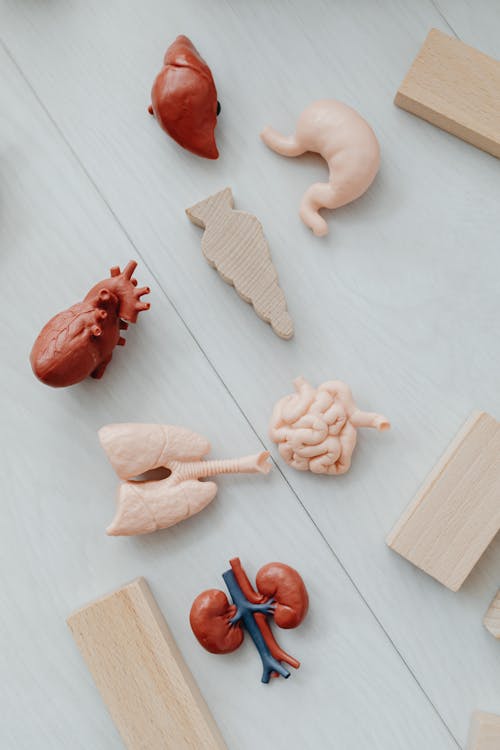
Your kidneys play a crucial role in filtering waste and toxins from your blood, and water is vital for this process. Proper hydration prevents the formation of kidney stones and supports urinary tract health. Dark-colored urine is often a sign of dehydration, indicating the need to drink more water.
Tip: Aim for clear or pale-yellow urine as an indicator of adequate hydration.
6. Enhances Cognitive Function

Dehydration can negatively affect brain function, leading to difficulties in concentration, memory, and decision-making. Even mild dehydration can cause fatigue, mood swings, and headaches. Drinking water keeps your brain hydrated, enhancing mental clarity and productivity.
Tip: Keep a glass of water at your desk to stay focused during work or study sessions.
7. Regulates Body Temperature

Water is essential for maintaining your body’s temperature. When you’re overheated, your body releases sweat to cool down, and drinking water replenishes the lost fluids. Staying hydrated is particularly important during hot weather or intense physical activity.
Tip: In warmer climates, increase your water intake to compensate for additional fluid loss.
8. Strengthens the Immune System

Adequate hydration supports the immune system by flushing out toxins and ensuring that your body’s cells function optimally. Water aids in the production of lymph, which circulates white blood cells and other immune cells throughout the body to fight infections.
Tip: Pair hydration with a balanced diet rich in vitamins and minerals for a stronger immune defense.
9. Relieves Joint Pain and Stiffness

Water is a key component of synovial fluid, which lubricates your joints and reduces friction. Staying hydrated helps maintain joint health, particularly in individuals with arthritis or those engaging in high-impact activities. Proper hydration can reduce inflammation and promote mobility.
Tip: Drink water before and after exercise to minimize joint discomfort.
10. Reduces the Risk of Headaches

Dehydration is a common trigger for headaches and migraines. Drinking more water can alleviate the frequency and intensity of these issues. If you feel a headache coming on, try hydrating before reaching for painkillers.
Tip: Carry a water bottle and set reminders to drink water regularly throughout the day.
11. Promotes Detoxification

Water is a natural detoxifier. It helps flush out toxins through urine, sweat, and bowel movements, reducing the burden on your liver and kidneys. Staying hydrated ensures your body’s detoxification systems function efficiently, contributing to overall health.
Tip: Incorporate detox-friendly foods like cucumbers, lemons, and mint into your water for added benefits.
12. Improves Mood

Dehydration doesn’t just affect your physical health; it also impacts your emotional well-being. Studies show that even mild dehydration can lead to irritability, anxiety, and mood swings. Drinking enough water stabilizes your mood and helps you feel more balanced throughout the day.
Tip: Keep track of your water intake with a journal or hydration app to avoid dehydration-related mood dips.
13. Supports Heart Health

Proper hydration is essential for cardiovascular health. When you’re dehydrated, your blood becomes thicker, making it harder for your heart to pump efficiently. Drinking enough water helps maintain optimal blood viscosity and supports healthy blood pressure levels.
Tip: Monitor your water intake, especially if you have a history of heart conditions or high blood pressure.
14. Prevents Fatigue

Dehydration is a common cause of fatigue. Without enough water, your body has to work harder to perform basic functions, leaving you feeling tired and drained. Drinking water boosts your energy levels and keeps you alert throughout the day.
Tip: Substitute coffee or energy drinks with water for a natural energy boost.
How Much Water Should You Drink?
The amount of water you need varies based on factors like age, gender, activity level, and climate. A common guideline is to drink at least 8 glasses (64 ounces) of water daily, but some people may need more. Pay attention to your body’s signals, like thirst and urine color, to gauge your hydration needs.

Easy Ways to Increase Water Intake
If you struggle to drink enough water, try these tips:
- Carry a reusable water bottle wherever you go.
- Flavor your water with fruits, herbs, or a splash of juice.
- Set reminders on your phone or use a hydration app.
- Drink a glass of water before each meal.
- Opt for water-rich foods like cucumbers, watermelon, and oranges.

Conclusion
Drinking more water is one of the simplest and most effective ways to improve your health. From enhancing physical performance and cognitive function to boosting skin health and supporting your immune system, the benefits of staying hydrated are undeniable. Make water a priority in your daily routine and experience the transformative effects it can have on your overall well-being.
By incorporating the tips above, you can easily increase your water intake and enjoy the surprising health benefits that come with proper hydration. Remember, small changes can lead to significant improvements over time. Cheers to better health, one sip at a time!


0 Comments