

Stress is a common part of everyday life, but when it becomes chronic, it can negatively affect both your mental and physical health. While some stress can be motivating and help you perform at your best, persistent stress can wreak havoc on your body and mind. If you’re wondering whether stress is affecting your health, the answer is likely yes. The mind-body connection is powerful, and the effects of stress go far beyond what meets the eye.
In this article, we’ll explore how stress can make you sick and, more importantly, what you can do to manage it effectively.
The Science of Stress: What Happens to Your Body
Stress activates the body’s “fight-or-flight” response, a mechanism designed to protect you from immediate dangers. This response triggers the release of stress hormones like cortisol and adrenaline, which prepare your body to face a perceived threat. In the short term, this can be beneficial, as it helps you to react quickly and deal with challenges. However, when stress becomes chronic, these hormones remain elevated, which can have serious consequences for your health.
Over time, chronic stress can lead to a variety of physical and mental health issues, including:
1. Weakened Immune System

Stress has a direct impact on your immune system. In the short term, stress can increase the production of white blood cells, helping the body fight off infections. However, long-term stress suppresses the immune response, leaving you more vulnerable to illness and infection. People under chronic stress are more likely to experience colds, flu, and other infections.
2. Heart Disease

One of the most well-known impacts of chronic stress is its effect on the cardiovascular system. Prolonged stress can lead to high blood pressure, increased heart rate, and inflammation in the arteries. This increases the risk of developing heart disease, heart attacks, and strokes.
3. Digestive Problems
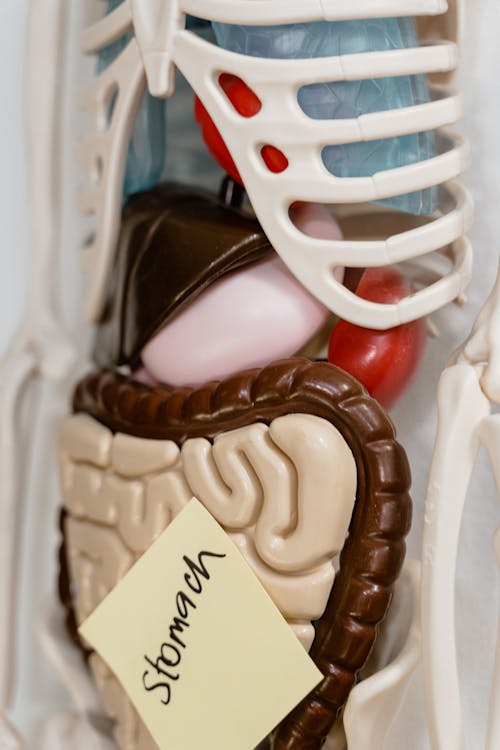
Stress can have a profound effect on the digestive system. It can cause issues like acid reflux, bloating, diarrhea, or constipation. Stress can also exacerbate conditions like irritable bowel syndrome (IBS) and ulcers. The “gut-brain connection” is strong, and emotional stress can manifest as physical digestive discomfort.
4. Sleep Disturbances

Chronic stress can disrupt sleep patterns, leading to insomnia, poor-quality sleep, and difficulty falling asleep. Stress causes the release of cortisol, which can interfere with the body’s natural sleep cycle. Without adequate rest, your body doesn’t have the opportunity to recover and repair itself, exacerbating the negative effects of stress.
5. Mental Health Disorders

Stress has a significant impact on mental health. Chronic stress is a major risk factor for the development of anxiety, depression, and other mood disorders. It can lead to feelings of helplessness, overwhelm, and frustration. The constant state of heightened alertness makes it difficult for the mind to relax, leading to mental exhaustion and burnout.
6. Weight Gain or Loss

Stress can also affect your appetite, leading to weight changes. Some people may turn to food for comfort, leading to overeating or emotional eating. Others may lose their appetite altogether. Both can contribute to unhealthy weight gain or loss, which can further complicate your health.
How to Recognize Stress Symptoms

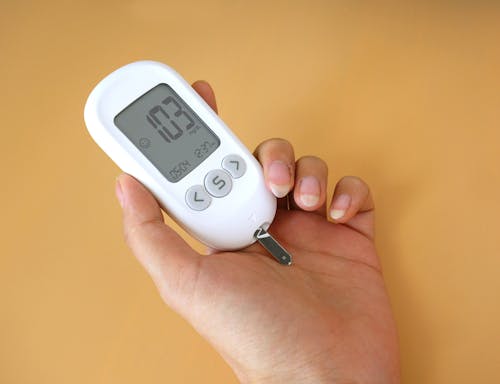
Understanding the signs of stress is the first step in addressing it. Here are some common symptoms that may indicate stress is affecting your health:
- Physical symptoms: Headaches, muscle tension, frequent colds, digestive issues, high blood pressure
- Emotional symptoms: Anxiety, irritability, depression, restlessness, feeling overwhelmed
- Behavioral symptoms: Changes in sleep patterns, overeating or undereating, procrastination, social withdrawal

If you’re experiencing any of these symptoms regularly, it’s essential to take action to manage your stress before it leads to more serious health problems.
What to Do: Stress Management Strategies
While stress is an inevitable part of life, it is possible to manage it effectively. Here are some proven strategies to reduce stress and protect your health:
1. Practice Mindfulness and Meditation

Mindfulness and meditation are powerful tools for managing stress. These practices help you focus on the present moment and detach from negative thought patterns that fuel stress. Meditation helps to reduce the production of stress hormones and encourages relaxation. Even just 10-15 minutes a day can significantly reduce stress levels.
How to Practice:
- Sit comfortably in a quiet space, close your eyes, and focus on your breath.
- If your mind begins to wander, gently bring it back to your breath.
- Use guided meditations or apps like Headspace or Calm to get started.
2. Exercise Regularly

Physical activity is one of the most effective ways to combat stress. Exercise releases endorphins, the body’s natural “feel-good” chemicals, which help improve mood and reduce feelings of anxiety and depression. Regular exercise also helps improve sleep quality and boosts your overall health.
How to Get Started:
- Find an activity you enjoy, whether it’s running, swimming, yoga, or dancing.
- Aim for at least 30 minutes of moderate exercise most days of the week.
- Even short walks can help reduce stress levels and improve mood.
3. Develop Healthy Sleep Habits

Quality sleep is essential for mental and physical health. Chronic stress can disrupt sleep, but poor sleep can also make stress worse. Establishing a relaxing bedtime routine and prioritizing sleep hygiene can help you get the rest you need.
Sleep Tips:
- Stick to a consistent sleep schedule, even on weekends.
- Create a relaxing pre-sleep routine, such as reading or taking a warm bath.
- Limit caffeine and screen time in the hours leading up to bedtime.
4. Nourish Your Body with Healthy Foods

What you eat plays a significant role in how your body responds to stress. A healthy, balanced diet can help regulate blood sugar levels, improve brain function, and support your immune system. Avoid excessive caffeine, sugar, and processed foods, as they can exacerbate stress.
Healthy Eating Tips:
- Eat a variety of nutrient-dense foods, including fruits, vegetables, whole grains, and lean proteins.
- Incorporate omega-3 fatty acids (found in fish, nuts, and seeds) to support brain health.
- Stay hydrated by drinking plenty of water throughout the day.
5. Connect with Others

Social support is crucial for managing stress. Spending time with friends, family, or a support group can help you feel more grounded and reduce feelings of isolation. Talking about your stress with someone you trust can provide perspective and alleviate emotional burdens.
How to Build Connections:
- Schedule regular check-ins with loved ones, even if it's a quick phone call or video chat.
- Join a community or support group that shares your interests or challenges.
- Don’t be afraid to ask for help when you need it.
6. Set Boundaries and Manage Your Time

One of the primary causes of stress is feeling overwhelmed by obligations. Learning to say no and setting healthy boundaries can help reduce stress. Prioritizing tasks, delegating responsibilities, and managing your time effectively can also help you stay organized and reduce feelings of pressure.
Time Management Tips:
- Break tasks into smaller, manageable steps.
- Use a planner or digital tool to organize your to-do list.
- Don’t overcommit—learn to say no to non-essential tasks.
Conclusion
Stress is a natural part of life, but when left unchecked, it can lead to serious health problems. From weakened immunity to heart disease and mental health issues, chronic stress can take a toll on both your mind and body. However, with the right strategies and lifestyle changes, you can manage your stress effectively and improve your health.
By practicing mindfulness, exercising regularly, eating a balanced diet, getting enough sleep, and fostering meaningful relationships, you can reduce the harmful effects of stress and reclaim your well-being. Remember, taking small steps each day to manage stress can lead to lasting improvements in your overall health and happiness.



0 Comments